
Colorectal Cancer Is Increasing in Younger Adults — Are You at Risk?

If you’re under 50, colorectal cancer probably isn’t something that crosses your mind. But growing research shows that early-onset colorectal cancer is becoming more common in younger adults. It's a real threat and something that deserves more awareness and attention.
What is colorectal cancer?
Colorectal cancer is a cancer that forms in the rectum or anus, which are parts of your large intestine (for those that don't understand: inside your rear-end). It's referred to commonly as colon cancer, or rectal cancer, or corolectal colon cancer.
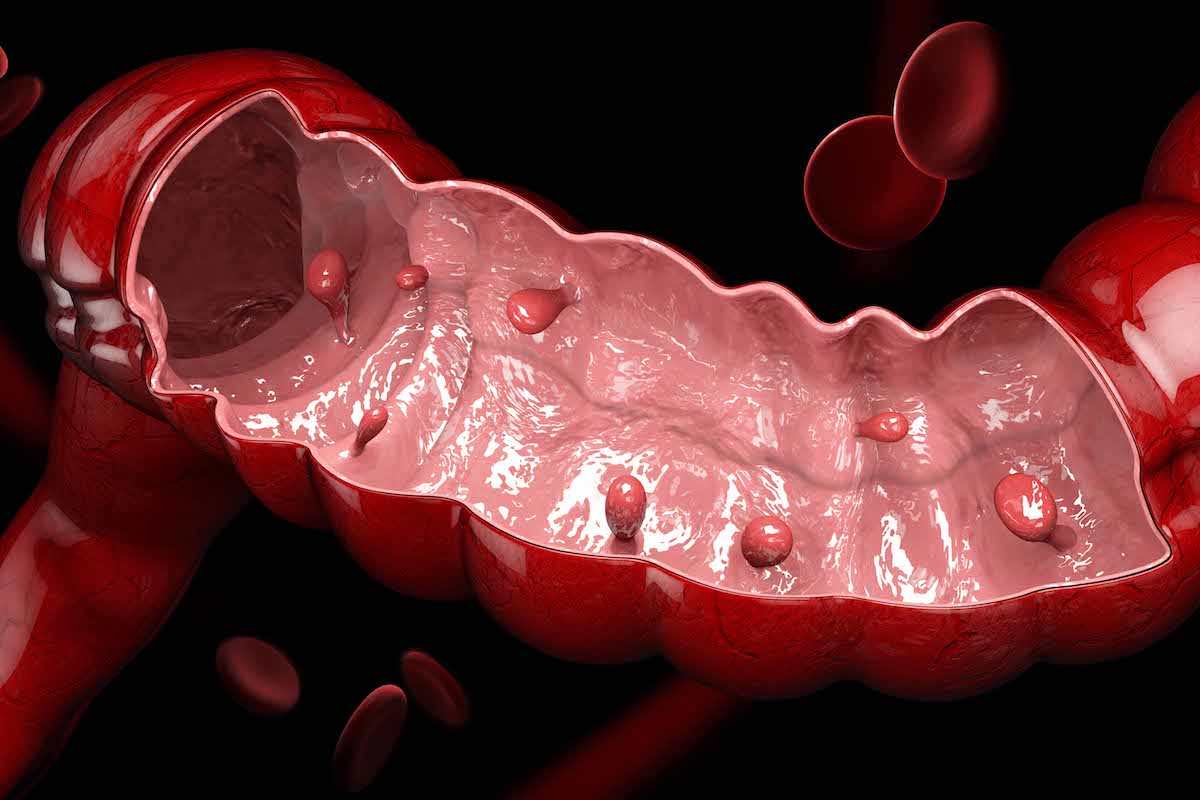
Most colorectal cancers start as polyps. A polyp is an anbnormal clump of cells that forms on intestinal walls. Most polyps are harmless, but they can be a sign of colorectal cancer. Most colorectal cancers start as polyps. When detected early, treatment outcomes are significantly better.
Why Is Colon Cancer Increasing in Younger Adults?
Researchers are still investigating why colon cancer rates are rising in younger adults. Several factors may contribute:
- Diets high in processed and red meats
- Low fiber intake
- An often seated lifestyle
- Obesity
- Changes in the gut microbiome
- Delayed or lack of colorectal cancer screening
While screening guidelines traditionally began at age 50, recommendations now suggest beginning colorectal cancer screening earlier for average-risk individuals, often around age 45. Those with a family history or symptoms should definetly get screened even earlier.
Colorectal Cancer Symptoms and Warning Signs
Being aware of colorectal cancer symptoms and noticing them is especially important to catch it early:
Common symptoms of colorectal cancer include:
- Blood in the stool or rectal bleeding
- Repetitive abdominal pain or cramping
- Changes in bathroom habits (diarrhea, constipation, or narrowing of stool)
- Random and unexplained weight loss
- Fatigue or weakness (cancer drains energy and resources)
Who Is Most at Risk?
Some groups can be more at risk of colorectal cancer:
- Anyone with a family history of colon cancer
- People with inflammatory bowel diseases
- People with obesity
- Smokers
- People with diets low in fruits, vegetables, and fiber
Considering these can encourage getting screened earlier.
What Happens if It Spreads?
If colorectal cancer isn't detected early, it can spread to other parts of the body. This is known as metastatic colorectal cancer. The liver and lungs are common places it spreads.
Early detection through screening and paying attention to symptoms plays a big role in stopping it in its tracks before it spreads.
The Importance of Colorectal Cancer Screening
Screening can detect cancerous polyps before they turn into cancer and can also catch cancer in earlier and more treatable stages.
Common screening methods:
- Colonoscopy
- Stool-based tests
- CT colonography
Because early-onset cases are becoming more and more common, many experts are now highlighting the importance of discussing colorectal cancer screening with a healthcare professional.